
Live Streamed Services
Archive
- December 2025
- November 2025
- October 2025
- September 2025
- August 2025
- July 2025
- June 2025
- May 2025
- April 2025
- March 2025
- February 2025
- January 2025
- December 2024
- November 2024
- October 2024
- September 2024
- August 2024
- July 2024
- June 2024
- May 2024
- April 2024
- March 2024
- February 2024
- January 2024
- December 2023
- November 2023
- October 2023
- September 2023
- August 2023
- July 2023
- June 2023
- May 2023
- April 2023
- March 2023
- February 2023
- January 2023
- December 2022
- November 2022
- October 2022
- September 2022
- August 2022
- July 2022
- June 2022
- May 2022
- April 2022
- March 2022
- February 2022
- January 2022
- December 2021
- November 2021
- October 2021
- September 2021
- August 2021
- July 2021
- June 2021
- May 2021
- April 2021
- March 2021
- February 2021
- January 2021
- December 2020
- November 2020
- October 2020
- September 2020
- August 2020
- July 2020
- June 2020
- May 2020
- April 2020
- March 2020
- January 2020
- December 2019
- November 2019
- September 2019
- August 2019
- July 2019
- May 2019
- April 2019
- March 2019
- February 2019
- January 2019
- December 2018
- November 2018
- October 2018
- September 2018
- August 2018
- July 2018
- June 2018
- May 2018
- April 2018
- March 2018
- February 2018
- January 2018
- December 2017
- November 2017

An organ recital in progress: part 112
Dear SMM Community,
The next part of my online organ recital is here, and I hope that you enjoy it. I offer up these musical meditations as part of our parish efforts to find ways to keep you connected at this time. Recorded on my house organ, the instrument is a musical facsimile of the great 'Father' Willis organ at Salisbury Cathedral.
Today, I present Johannes Brahms's Es ist ein Ros entsprungen.
Es ist ein Ros entsprungen is the eighth of Johannes Brahms's (1833-1897) 11 Chorale preludes. The set was written in 1896, and published posthumously in 1902.
With best wishes,
Andrew Adair
Director of Music

Meditation - Advent III
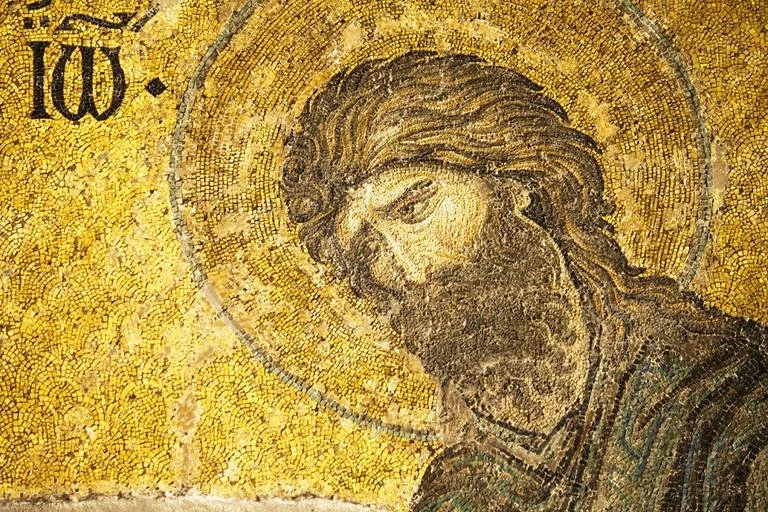
The first Magnificat antiphon of the Advent Office, the first office of the season, reads: "Behold, the Name of the Lord cometh from far: for his glory filleth the whole earth." This is based on the thirtieth chapter of the Book of Isaiah.
The Chapter of the Vespers of Christmas Eve reads: "The people that walked in darkness have seen a great light: they that dwell in the land of the shadow of death, upon them hath the light shined." This is from the ninth chapter of the Book of Isaiah.
If late Lent is the season of Deutero-Isaiah and the Servant songs, Advent is the season of prophecy generally, of looking beyond exile to salvation. Of that prophecy, Isaiah - the three prophets of one school collected in a single book - is the primary source. (I always associate Advent strongly with the beginning of Handel's Messiah, which is also the beginning of Deutero-Isaiah, and an Old Testament Lesson for the Second Sunday of Advent).
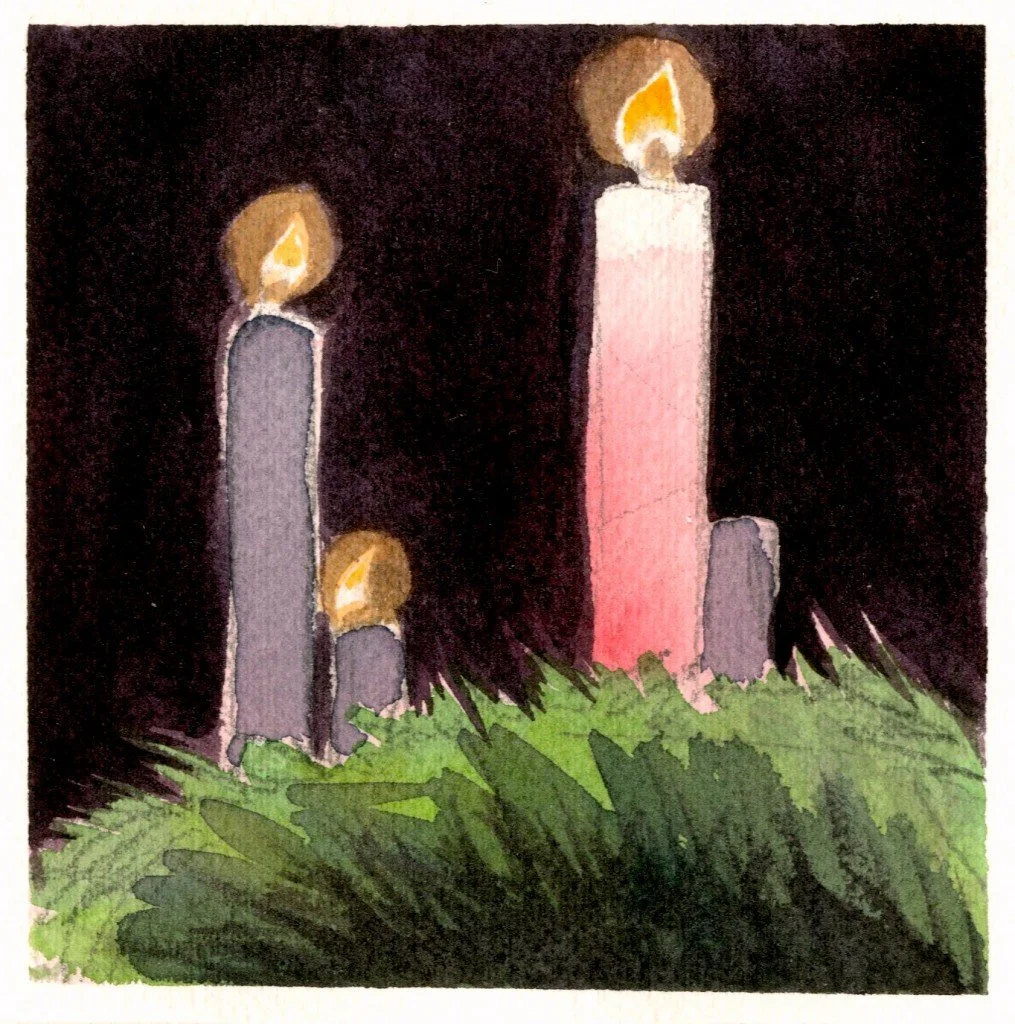
Below is my test for Advent III:
Other prophets are the source of some of the great Advent tropes. Jahaziel ("the son of Zechariah, the son of Benaiah, the son of Jeiel, the son of Mattaniah") in 2 Chronicles 20 provides the basis for the responsory for the reiterated theme for the Christmas Eve office "O Judah and Jerusalem, fear not, nor be dismayed; tomorrow go ye forth: for the Lord will be with you." Joel provides the basis for the psalm antiphon for Advent I: "In that day the mountains shall drop down new wine: and the hills shall flow with milk."
Prophecy as the term is used in the Old Testament, is not so much about foretelling the future as giving meaning to it. The prophets present the pattern of God's dealing with humanity. In Christian reading this also means that they are read with the tools of typology to hand, mapping our current existential state to that of the exiles of Judah and Jerusalem.
Original sin was not and is not a Jewish doctrine - the fall of Adam is a major factor only from Paul onwards. But even in the Old Testament the tendency of humans to stray and then be welcomed back is a repeated pattern, dominant in many of the prophets and woven elsewhere into the texture of salvation history.
Advent prophecy in particular is about the welcoming back. If one half of the prophetic message was the scourging of those who violated the norms of justice and oppressed the poor, the other half was the announcing of restoration after the natural repayment for those deeds. After the exile, the return; bread for the hungry, wine for the thirsty; a world which will respond to our needs.
This year's full offertory for for Advent III, offers a meditation on exactly that restoration:
"Lord, thou art become gracious unto thy land: thou hast turned away the captivity of Jacob: thou hast forgiven the offence of thy people. V. Thou hast covered all their sins: thou hast taken away all thy displeasure. R. Thou hast forgiven the offence of thy people. V. Show us thy mercy, O Lord, and grant us thy salvation. R. Thou hast forgiven the offence of thy people."
--
James Burbidge
An organ recital in progress: part 111
Dear SMM Community,
The next part of my online organ recital is here, and I hope that you enjoy it. I offer up these musical meditations as part of our parish efforts to find ways to keep you connected at this time. Recorded on my house organ, the instrument is a musical facsimile of the great 'Father' Willis organ at Salisbury Cathedral.
Today, I present Johann Sebastian Bach's Meine Seele erhebt den Herren.
Johann Sebastian Bach’s (1685-1750) chorale Meine Seele erhebt den Herren BWV 648 is one of the six Schübler chorales. Dating from around 1748, the title of the collection comes from the engraver and publisher named on the title page, Johann Georg Schübler.
With best wishes,
Andrew Adair
Director of Music

Meditation - Advent II
One of the things one can say Advent is "about" is the whole shape of salvation history, an hourglass shape converging on a single point and then spreading out.
Salvation history begins before Abraham. (If you take Scotus seriously, that the universe was created so that God might become incarnate, it started before humanity.) In Genesis, it begins with the Protevangelium ("And I will put enmity between thee and the woman, and between thy seed and her seed; it shall bruise thy head, and thou shalt bruise his heel") and the typology of Abel's blood; it continues with the covenant with Noah. Outside the Bible, God has to nudge a lot of human prehistory to bring into being the context allowing the stories of the patriarchs let alone the establishment of Israel.
The Abrahamic covenant starts to narrow down to a people, or set of peoples, at the core, although still with reference to the whole earth.
With the Exodus narrative and the definition of the twelve tribes of Israel, it narrows again, though at the same time events require more broad and indirect action by God. Things had to come together just so for Israel and Judah to have space to exist, at the balance point between the Mesopotamian and Egyptian empires, which in other times had dominated the space which would house Israel.
It narrows again to David, and the promise that echoes through the Psalms: "The Lord hath made a faithful oath unto David, and he shall not shrink from it: Of the fruit of thy body shall I set upon thy seat"; "The Lord said unto my Lord: Sit thou on my right hand, untill I make thine enemies thy footstool".
When Judah falls, the future is carried by a relatively small set of exiles; only at that point does the way in which salvation history is told really begin to be pinned down; the Torah and the Duteronomic History and the rest of the Tanakh start to get their shape at that time.
After the return, several parallel and separate developments provide a context for the future: the forms of apocalyptic, and the broad (though distant) development of philosophy and thought generally in the pagan world known as the Preparatio Evangelica.
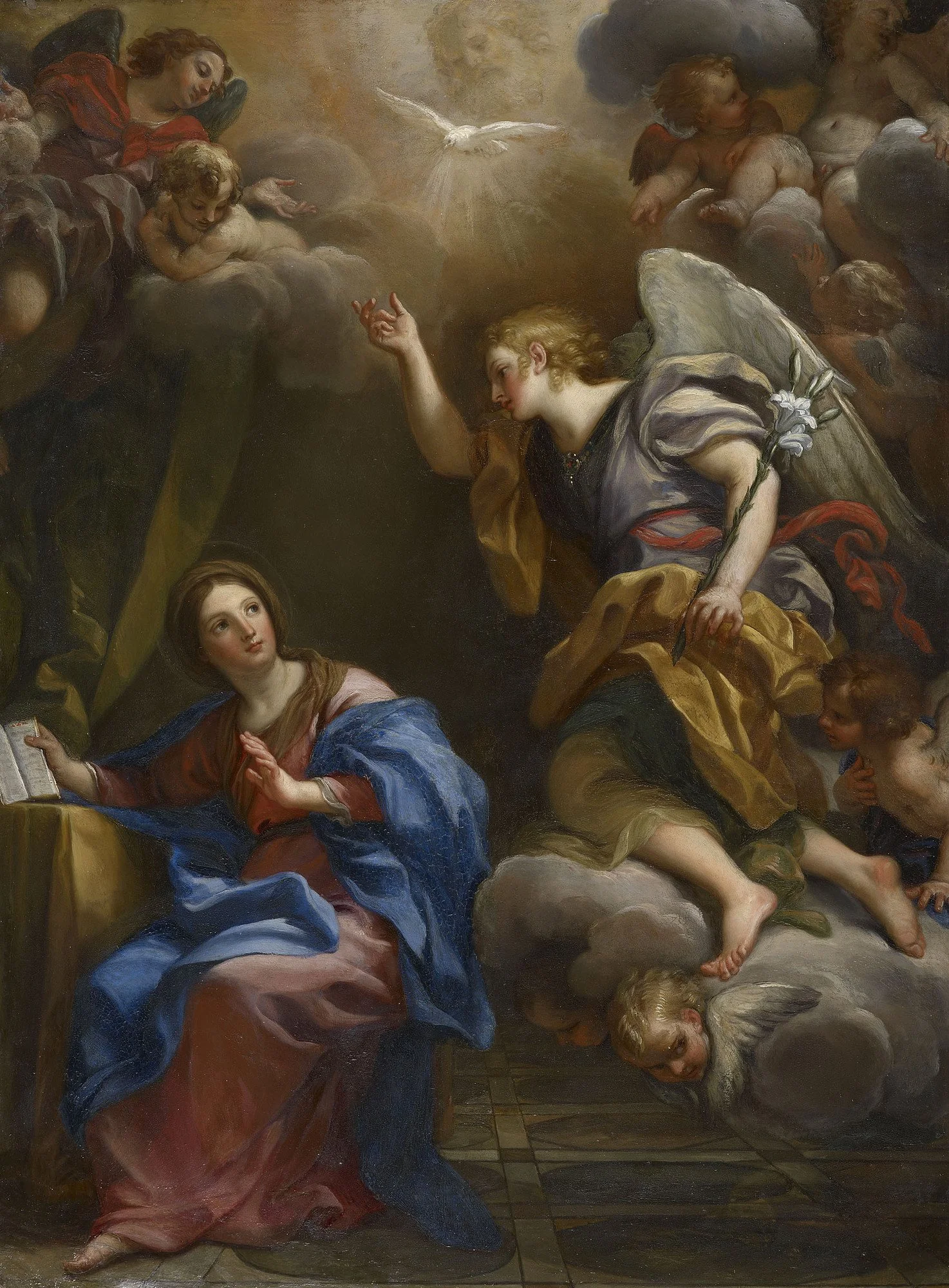
So we come, in the end, from all of humanity, to Abraham's offspring, to Israel, to David, to the Exilic remnant and finally to two hinge points: one young woman, prepared by God but in full free will, making a choice to bear the Son of God, and, a little later, a hill outside the Holy City where the salvation of the world was accomplished.
(From which point it spreads out again, from Jerusalem to Asia Minor, to Rome, thence to the whole Mediterranean world and (more slowly) to the hinterlands beyond.)
To meditate on: two responsories from Advent Vespers:
R. Behold, the days come, saith the Lord, that I will raise unto David a righteous branch, and a king shall reign and prosper, and shall execute judgment and justice in the earth. And this is the name whereby He shall be called, The Lord our Righteousness. V. In His days Judah shall be saved, and Israel shall dwell safely. R. And this is the name whereby He shall be called. V. Glory be... R. The Lord our Righteousness.
V. The Lord shall teach us his ways, and we will walk in his paths. R. For the law shall go forth of Zion, and the word of the Lord from Jerusalem. V. Come, and let us go up to the mountains of the Lord, and to the house of the God of Jacob. R. For the law shall go forth of Zion, and the word of the Lord from Jerusalem. V. Glory be... R. For the law shall go forth of Zion, and the word of the Lord from Jerusalem.
James Burbidge