
Live Streamed Services
Archive
- December 2025
- November 2025
- October 2025
- September 2025
- August 2025
- July 2025
- June 2025
- May 2025
- April 2025
- March 2025
- February 2025
- January 2025
- December 2024
- November 2024
- October 2024
- September 2024
- August 2024
- July 2024
- June 2024
- May 2024
- April 2024
- March 2024
- February 2024
- January 2024
- December 2023
- November 2023
- October 2023
- September 2023
- August 2023
- July 2023
- June 2023
- May 2023
- April 2023
- March 2023
- February 2023
- January 2023
- December 2022
- November 2022
- October 2022
- September 2022
- August 2022
- July 2022
- June 2022
- May 2022
- April 2022
- March 2022
- February 2022
- January 2022
- December 2021
- November 2021
- October 2021
- September 2021
- August 2021
- July 2021
- June 2021
- May 2021
- April 2021
- March 2021
- February 2021
- January 2021
- December 2020
- November 2020
- October 2020
- September 2020
- August 2020
- July 2020
- June 2020
- May 2020
- April 2020
- March 2020
- January 2020
- December 2019
- November 2019
- September 2019
- August 2019
- July 2019
- May 2019
- April 2019
- March 2019
- February 2019
- January 2019
- December 2018
- November 2018
- October 2018
- September 2018
- August 2018
- July 2018
- June 2018
- May 2018
- April 2018
- March 2018
- February 2018
- January 2018
- December 2017
- November 2017
A Year in the Life of St Mary Magdalene, Toronto
From time to time at SMM, we like to find a way to tell people a little more about us - not just what services and programs we offer, but also who we are, and what we love about this place.
A Year in the Life is one of the ways we do that.
Full of stories and pictures, we hope it give you a broader and deeper sense of our community.
Click on to read A Year in the Life in full colour.
Reading the Bible
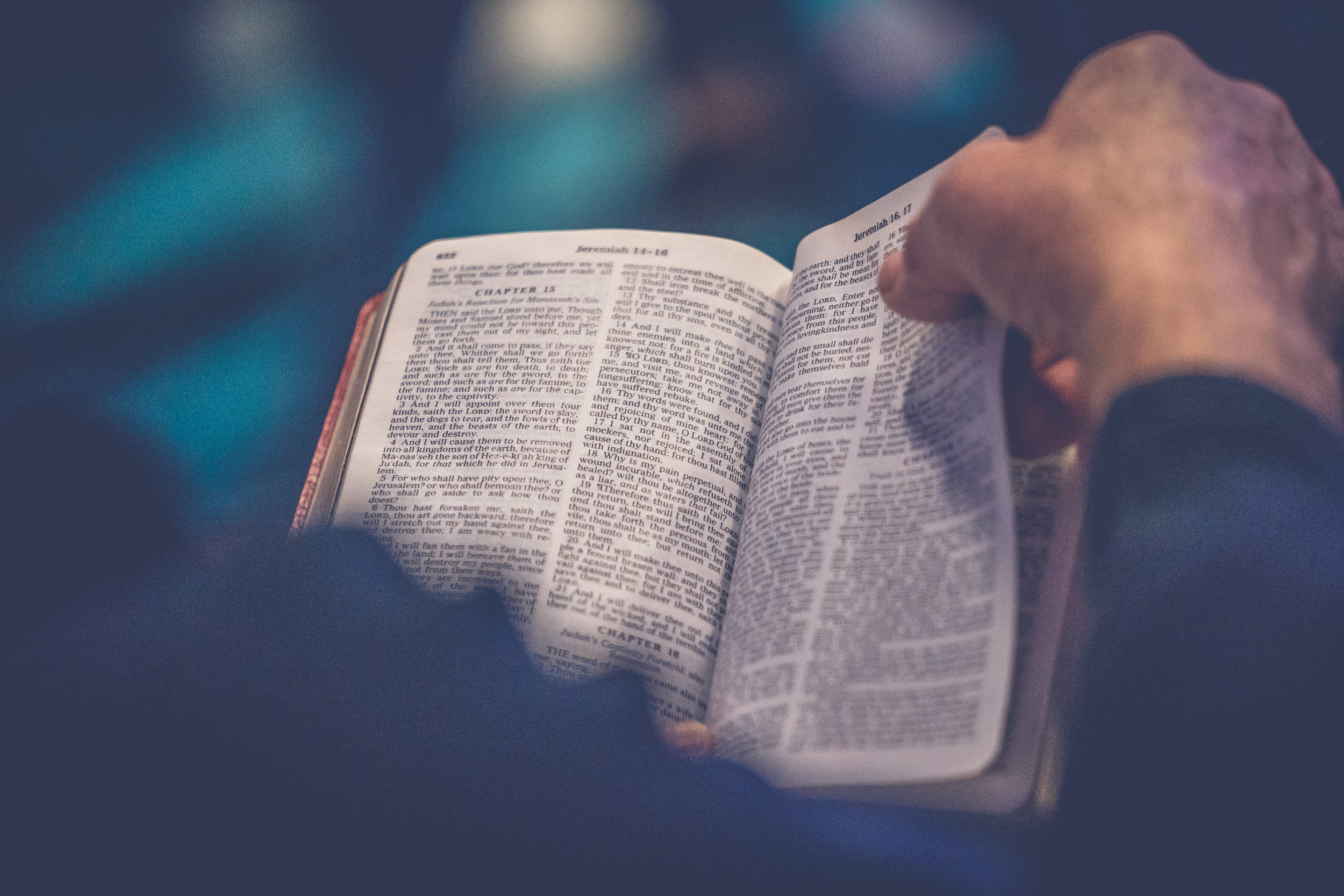
Two Chapters & Five Psalms a Day:
Last week Professor Walter Deller gave an engaging talk on “How to Read the Bible”. His basic point is that we should, in fact, read the Bible! He suggested a simple process:
(1) Read one Old Testament chapter a day;
(2) Read five Psalms a day;
(3) Read one New Testament chapter a day.
The Old Testament would take 18 months to read in its entirety; the New Testament 8 months, and the psalms one month, after which one starts again.
I've started this (along with my dear friend Peter, for mutual accountability), and I invite you to join me. Send me an email at rector (at) stmarymagdalene.ca if you are “in”. And maybe we can meet as a group from time to time to compare notes.
David+
Hallowe'en Open House at SMM
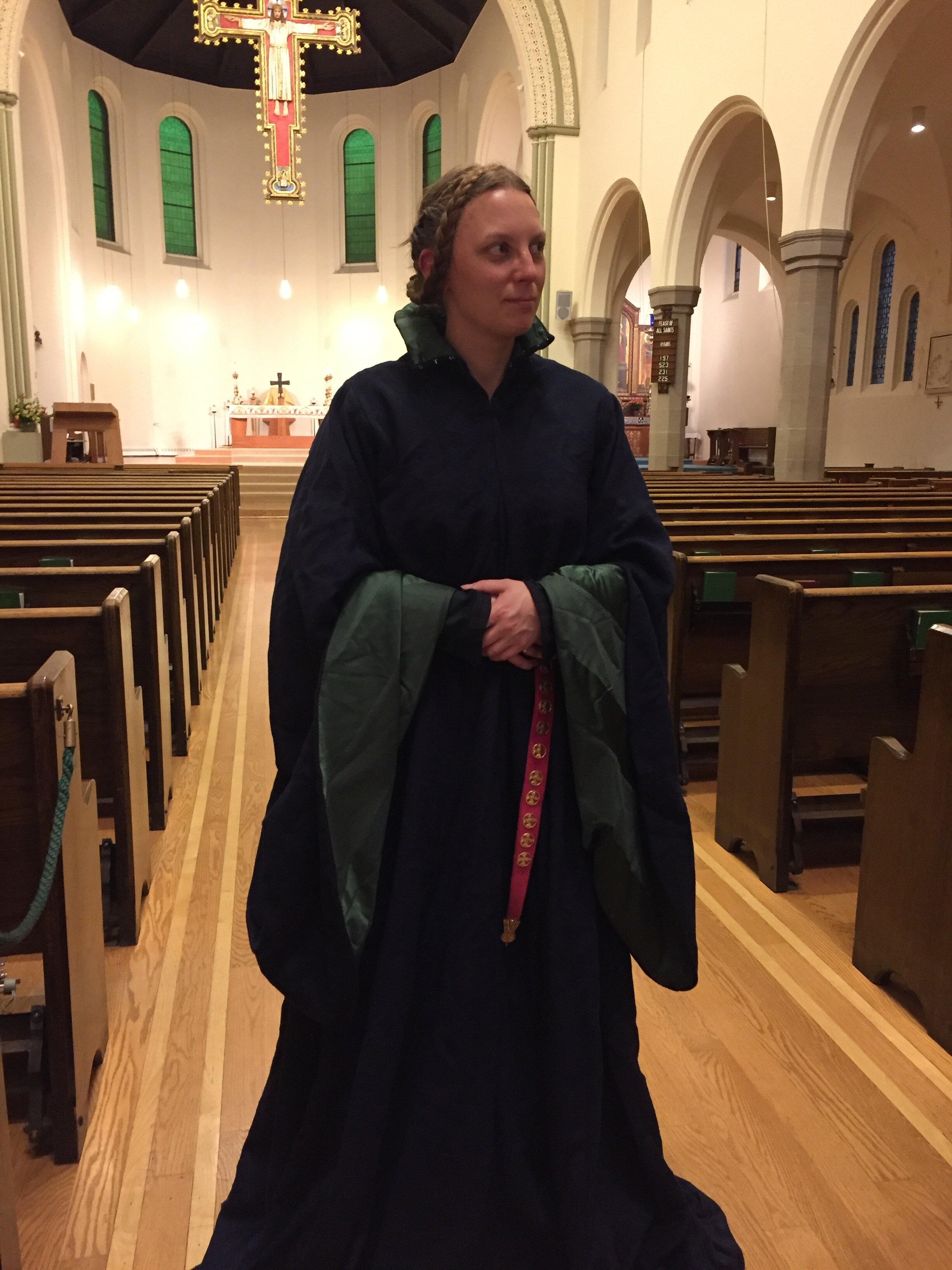
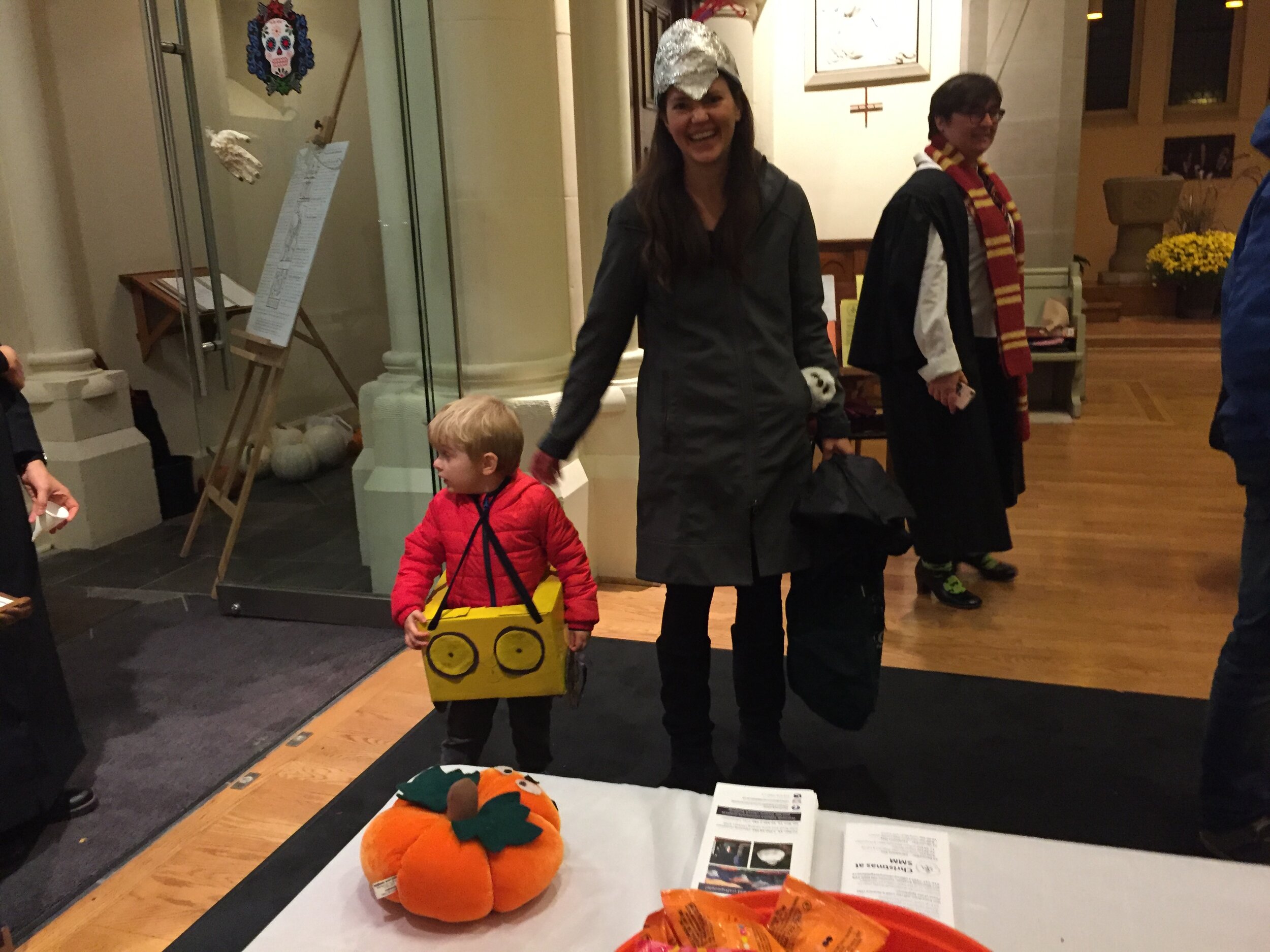
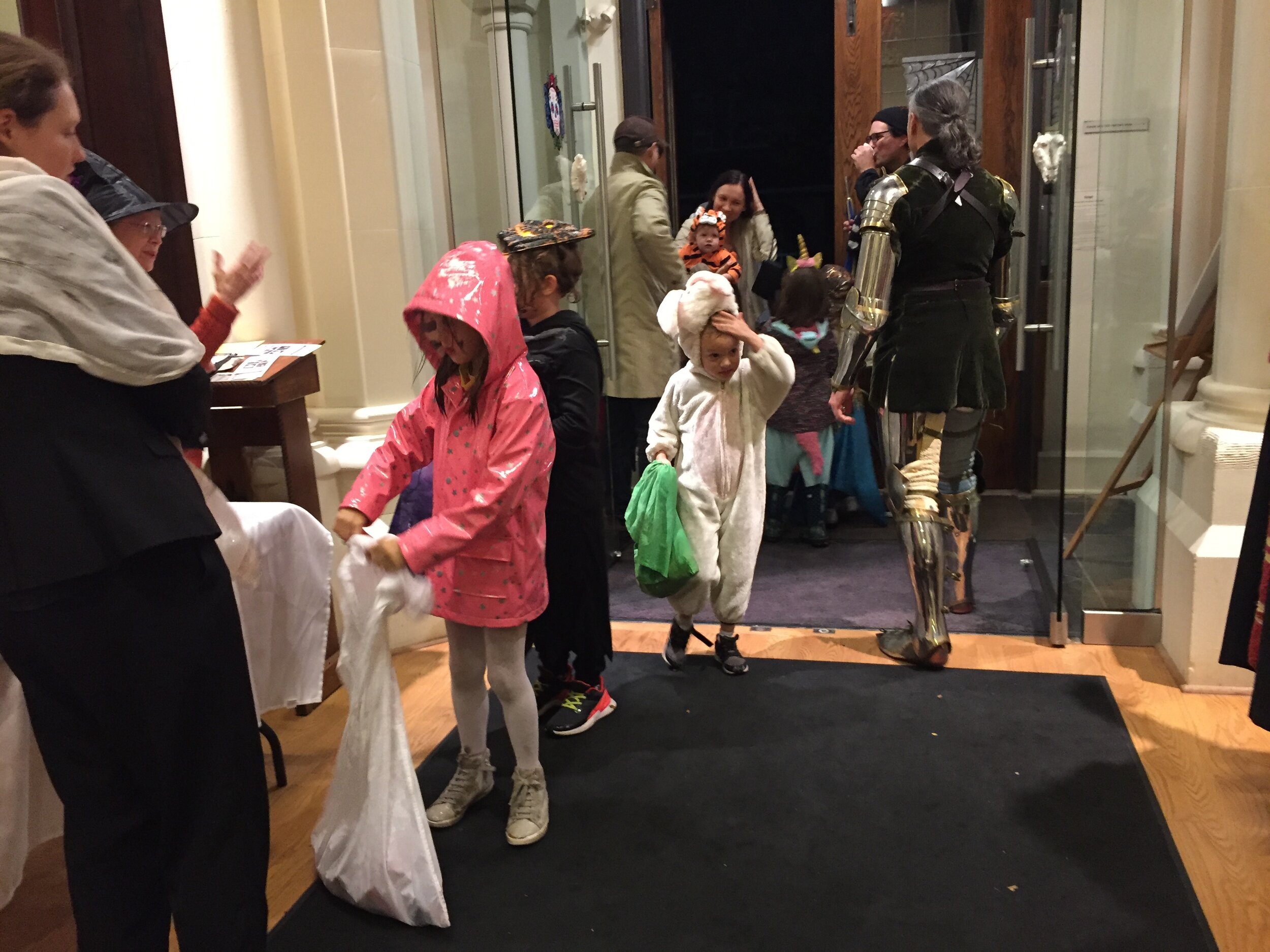
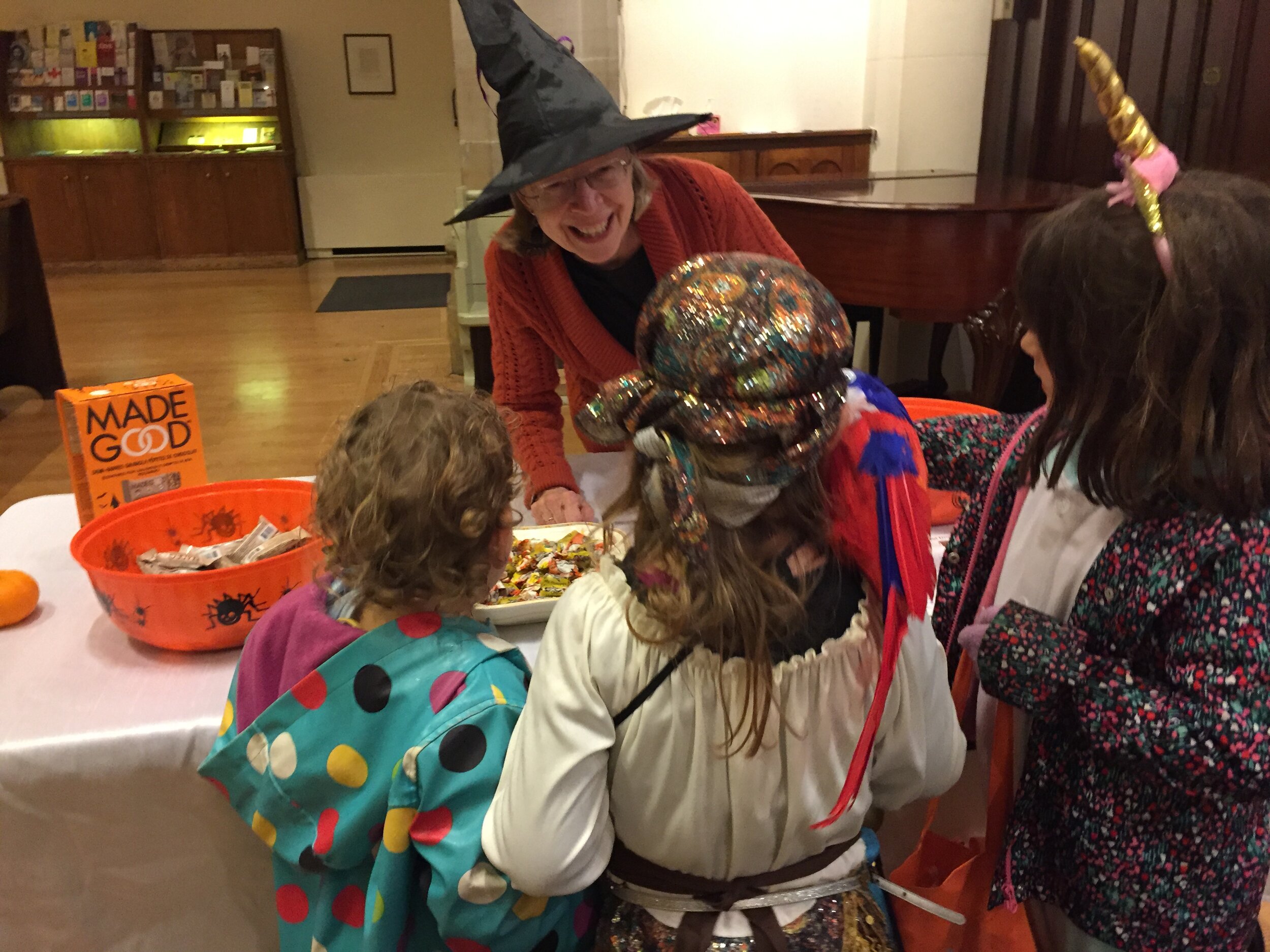
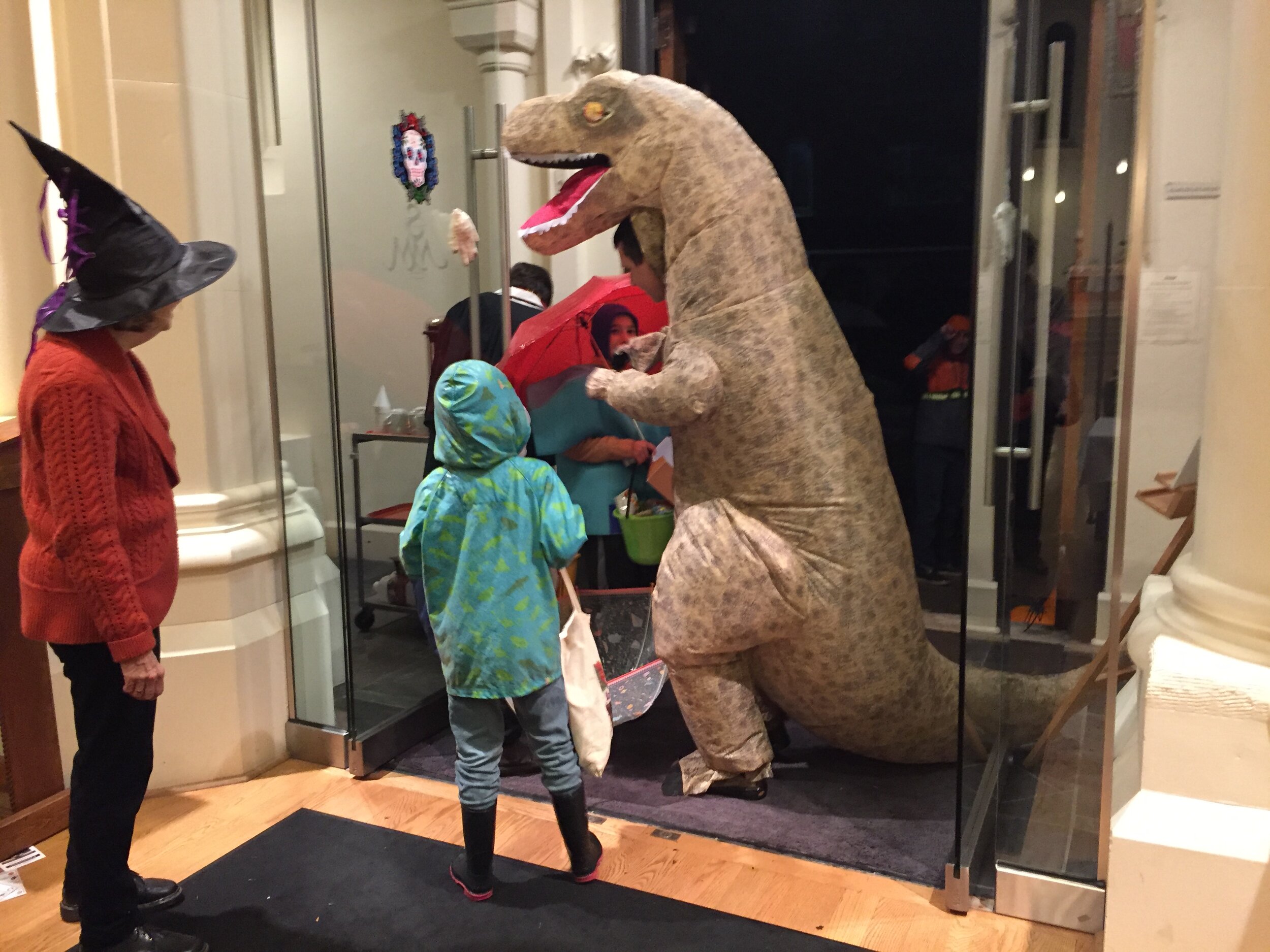
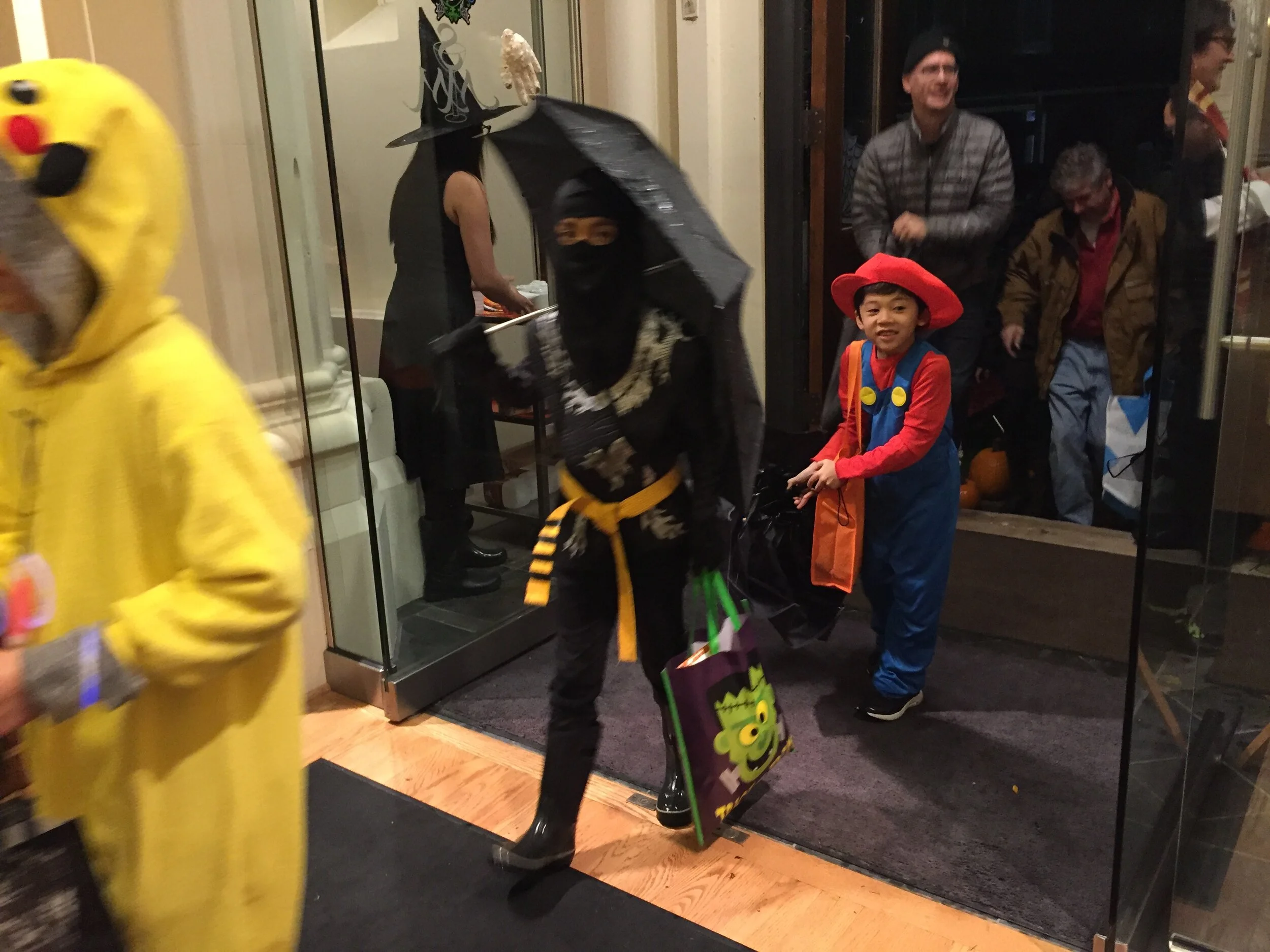
On 31 October, we hosted our annual Hallowe’en Open House, with bags and bags of treats for the kids, and hot apple cider for the grown-ups. A rainy evening did little to dampen the “spirit” of the occasion.
We typically get about 200 visitors coming through the doors, and our wonderful volunteers do everything they can to make them welcome!
Featuring: A knight, a T-rex, and a very tiny tiger!

Blessing Basil on Holy Cross Day
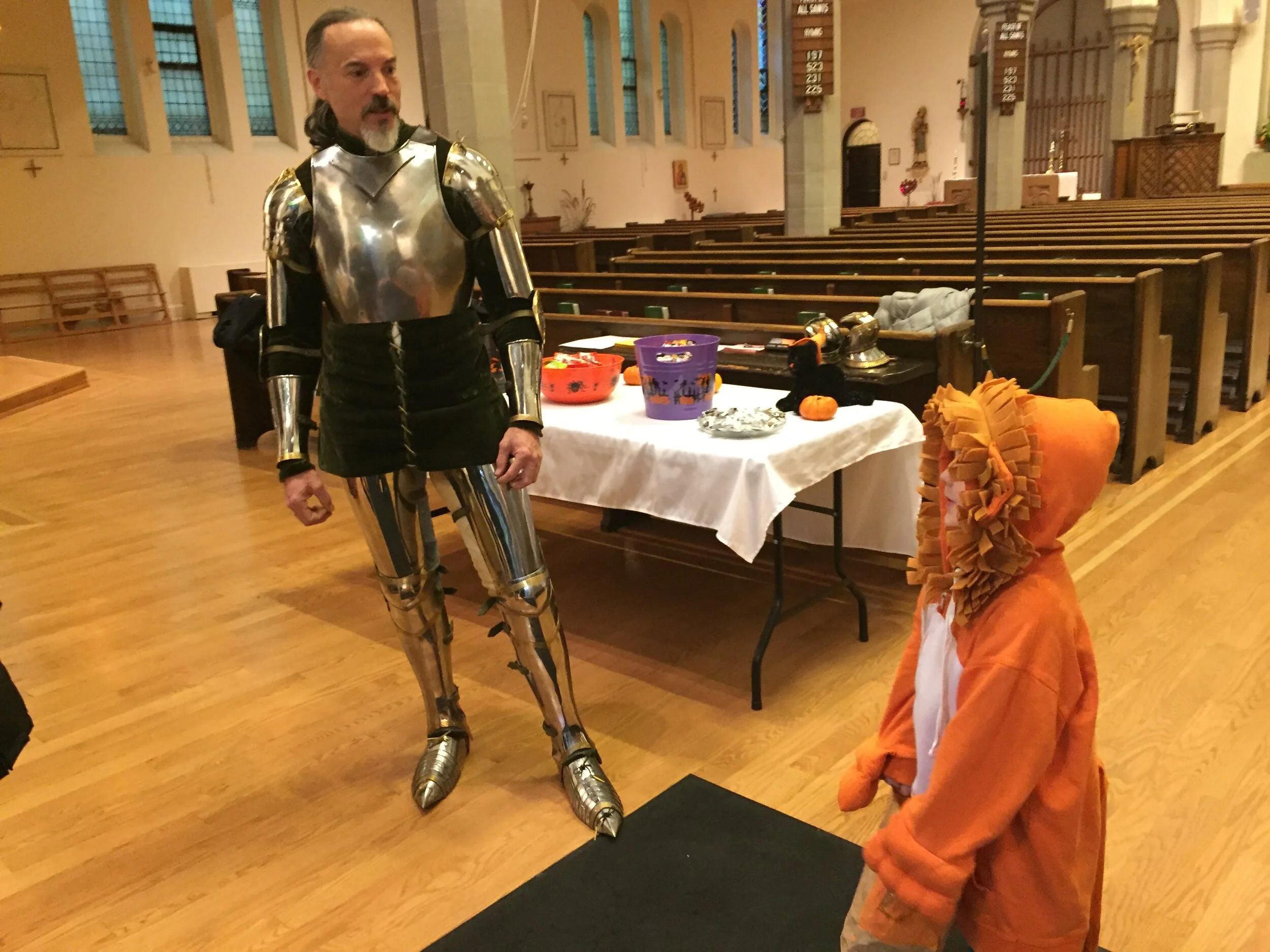
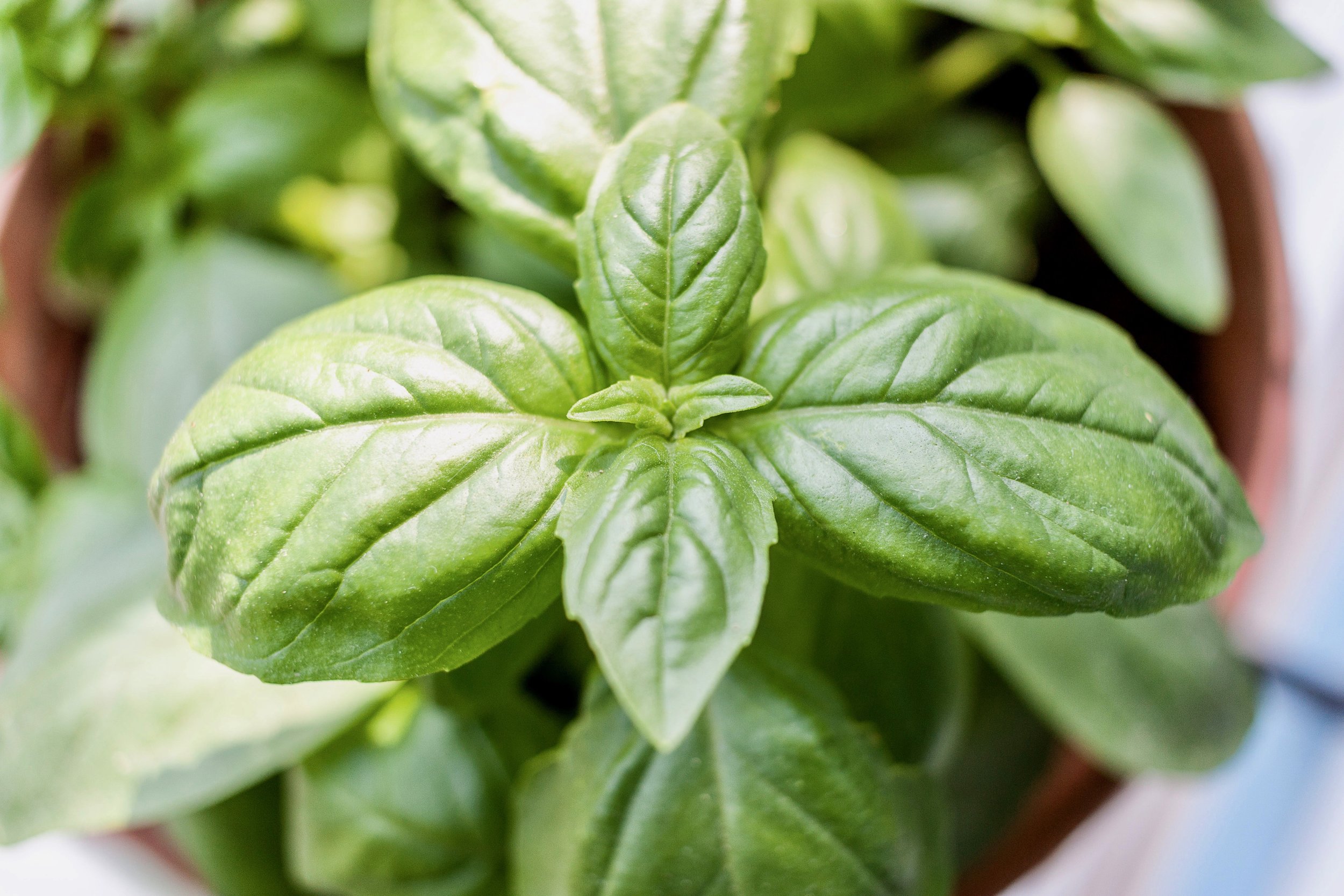
On Saturday, 14 September, we will celebrate Holy Cross Day with a Procession & Solemn Mass at 10.00 am, including the blessing of sprigs of basil.
Christian tradition says that the cross on which Christ was crucified was discovered by Saint Helena, mother of the Roman Emperor Constantine, on pilgrimage to Jerusalem in 326. It was divided into three, with one piece remaining in Jerusalem, one going to Rome, and one to Constantinople.
The feast also marks the dedication in 335 of the Churches of the Holy Sepulchre and Mount Calvary in Jerusalem, and the restoration of the True Cross to Jerusalem in 629 after the Persians conquest. The feast was celebrated in Rome before the seventh century, and the ancient Gallican Rite also had a liturgy for it in the early seventh century, as did the Eastern Orthodox and Syriac Churches.
In a practice we adopted from Eastern Orthodox tradition, a sprig of fresh basil is attached to the processional cross and blessed during the procession, as a symbol of how the cross grants new life to the world.
Why basil?
The herb basil has long been associated with today’s feast of the Exaltation of the Holy Cross. The word “basil” is related to basileios, from the Greek word for king.
According to one version of the legend, the Empress Saint Helena found the location of the True Cross by digging for it under a colony of basil, and basil is said to have sprung up at the foot of the Cross where the blood of Christ and the tears of his mother fell. A sprig of basil was also said to have been found growing from the wood of the True Cross. On the Feast of the Exaltation of the Holy Cross it is customary in the East to rest the Holy Cross on a bed of basil before presenting it for the veneration of the faithful.
Also, from the practice in some areas of strewing branches of basil before church communion rails, it came to be known as Holy Communion Plant. The blessed basil leaves may be arranged in a bouquet at the foot of the crucifix; the dried leaves can also be used by the faithful as a sacramental.
Summer Camp Concludes - Day 5

The final morning meant hard work at rehearsals and an interesting snack at the morning break - asps - as well as the usual round of dates, olives and pineapples. Head-ware and collars received their finishing touches. Children also created a cartouches with their own names in Egyptian hieroglyphs.


We took a break in Healey Willan park with several returning to don swim suits when the wading pool beckoned. Mother Johanna demonstrated her own athletic skills.

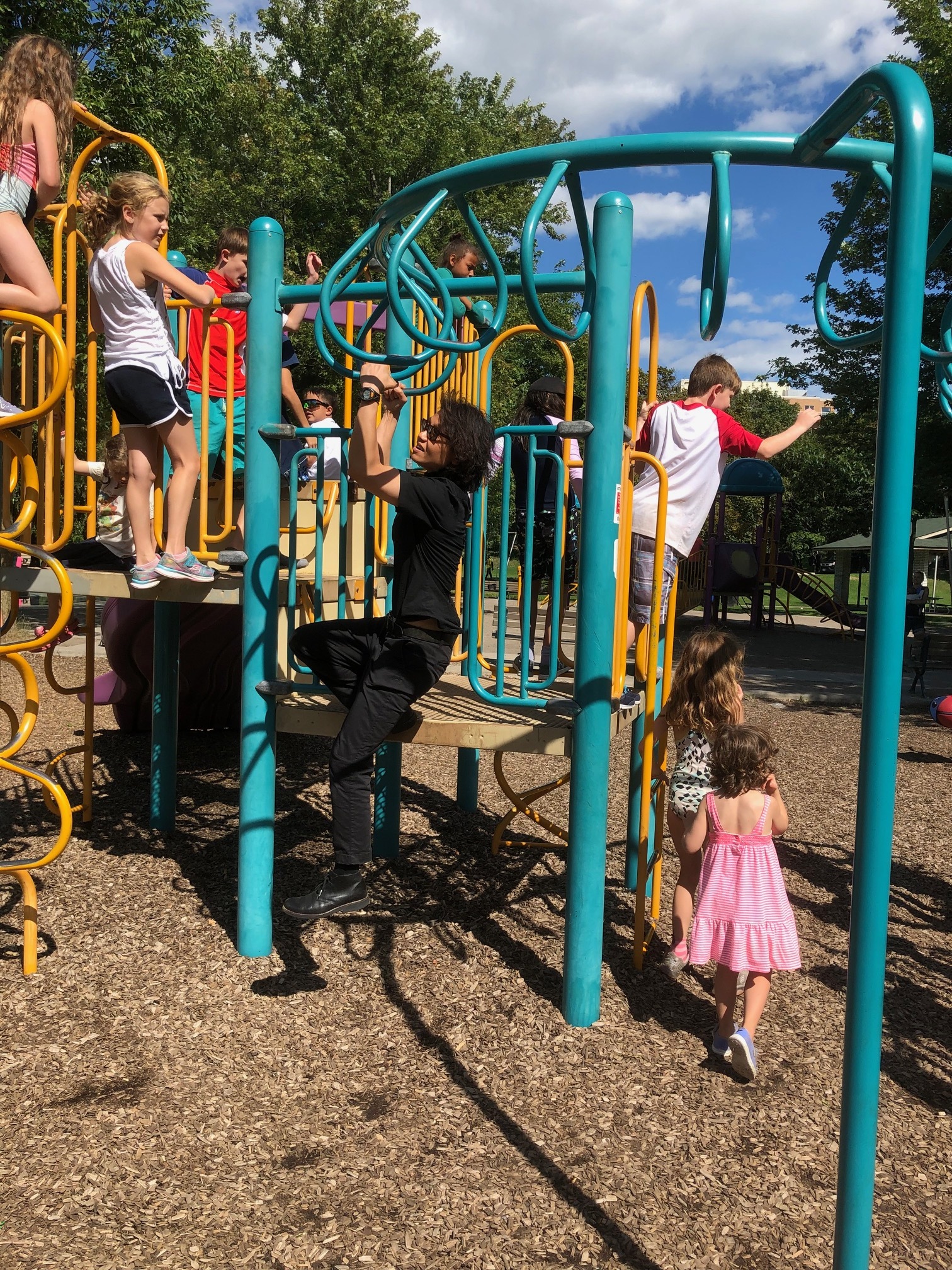


Then it was time to put on a show for a capacity crowd of grandparents, parents and siblings and show them all the things we had learned - including movement, using our ability to create a machine, playing Orff instrucments and singing a welcoming and departing song. Between segments, we heard the story of Joseph one last time. Parents and grandparents applauded and joined in a final feast.
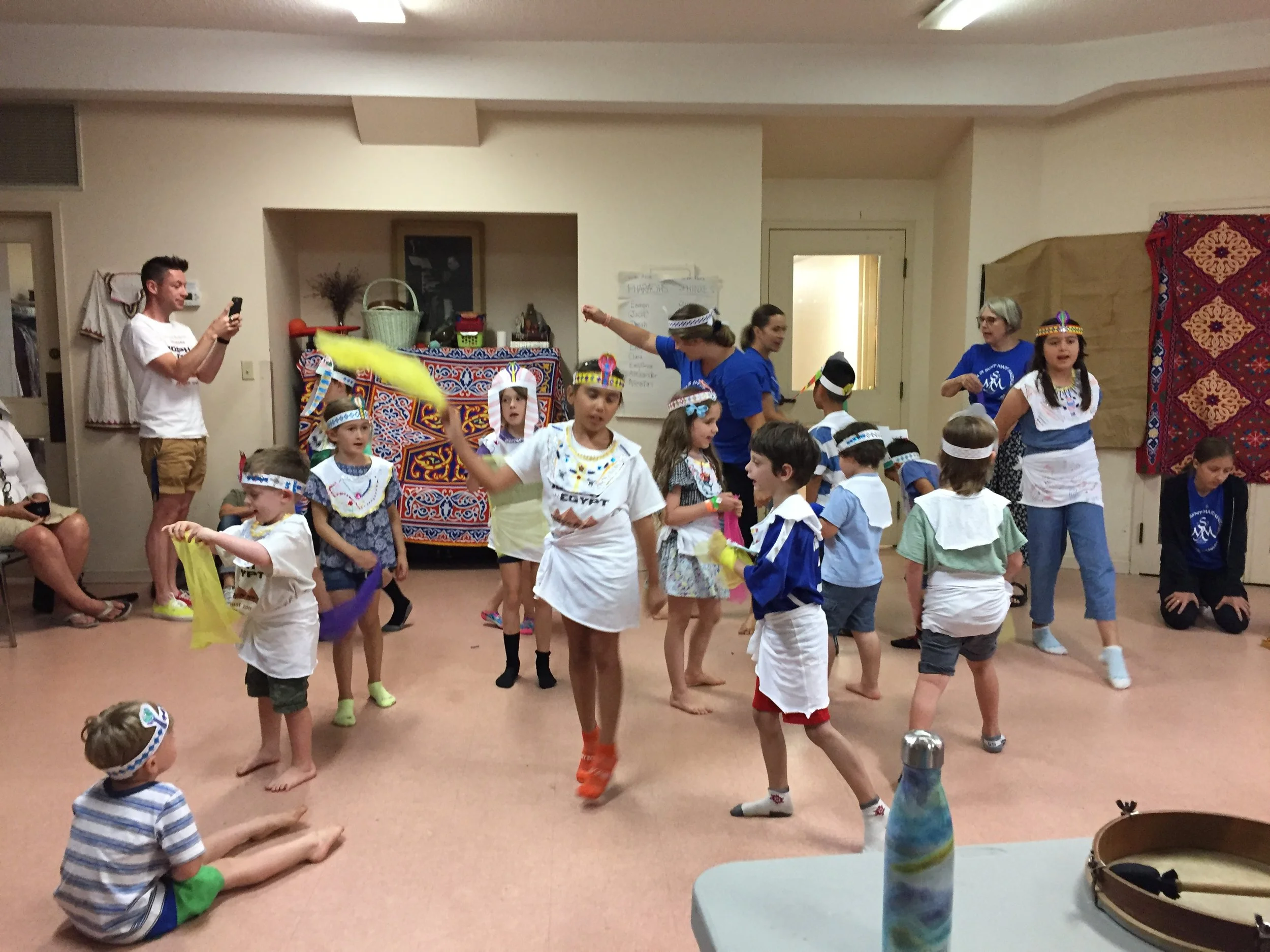


A camp program like this one happens only with the dedicated commitment of many volunteers. Thanks to all those who shared their gifts and especially to Adam McComb for his leadership. As a tribute to all staff and volunteers who make summer camps such a wonderful experience for children and young people, our picture also appears on the Facebook site of the Women’s Interchurch Council of Canada . After many goodbyes, the hard working volunteers all departed for a celebration and supper at a neighborhood pub - and to say farewell to Adam as he begins a new year of studies. We shall miss his enthusiastic presence and leadership in all our children and youth programs in the current year.

Camp in Session -Day 4

The early morning soccer game now has many players.

Each session becomes more focused as we move toward the presentation to parents on the last day and show them all the things we have learned.
After much practising of singing and dance, we moved on to the end of the story of Joseph and his brothers. There seemed to be tension before we finally got to the happy ending when all was forgiven and everyone was united.
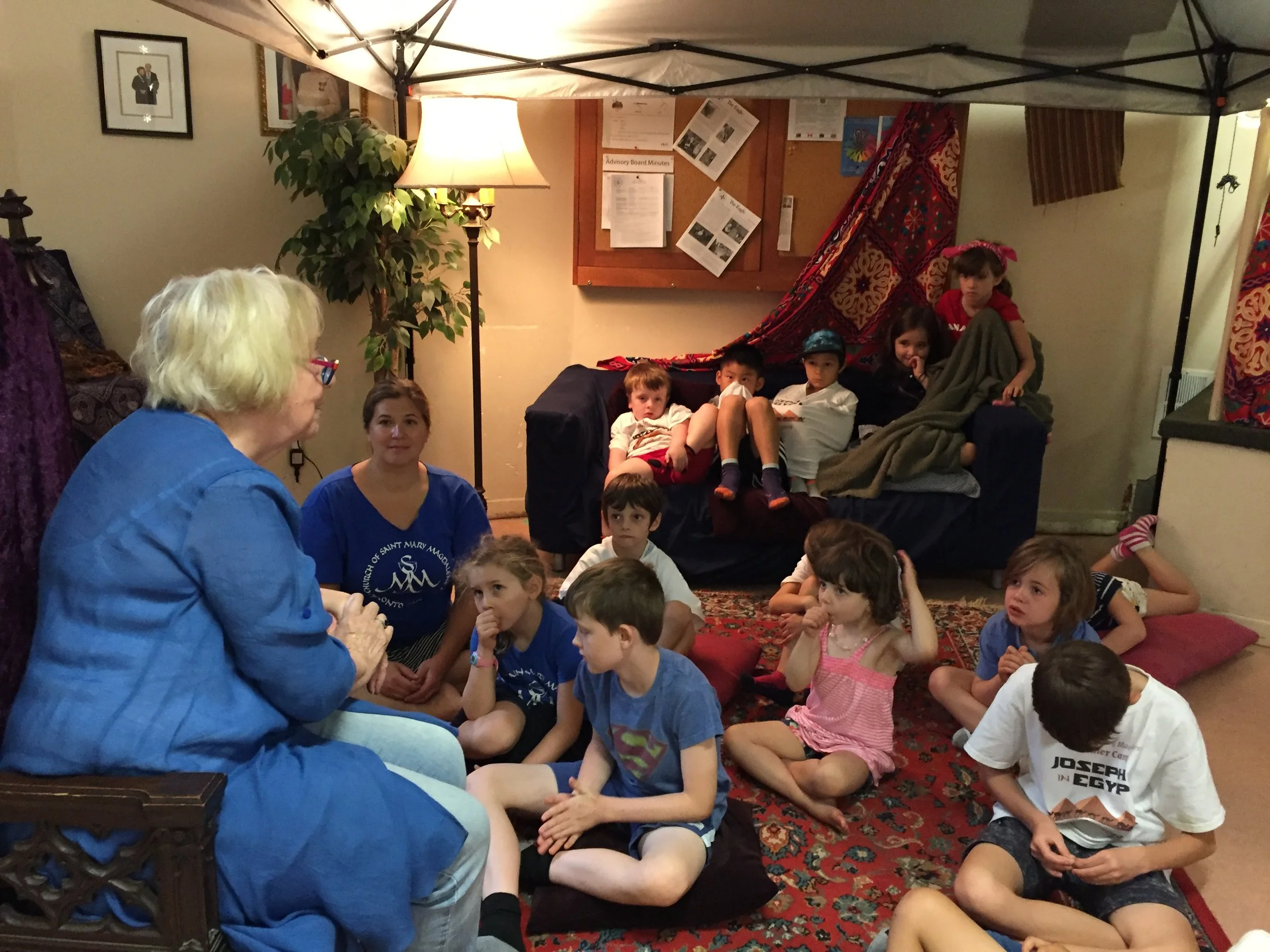
The younger group of campers - either the Pharoahs or the Sphinxes - headed off for beadwork crafts:


The older group - either the Pharoahs or the Sphinxes - headed up to the quiet of the church where each received a set of scrolls - unlike the original ones in Joseph’s time, these were edible. But first they sat around a fire and heard about how scrolls told the story of early peoples and their histories. Nearly everyone listened and focused on the story rather than the photographer.


